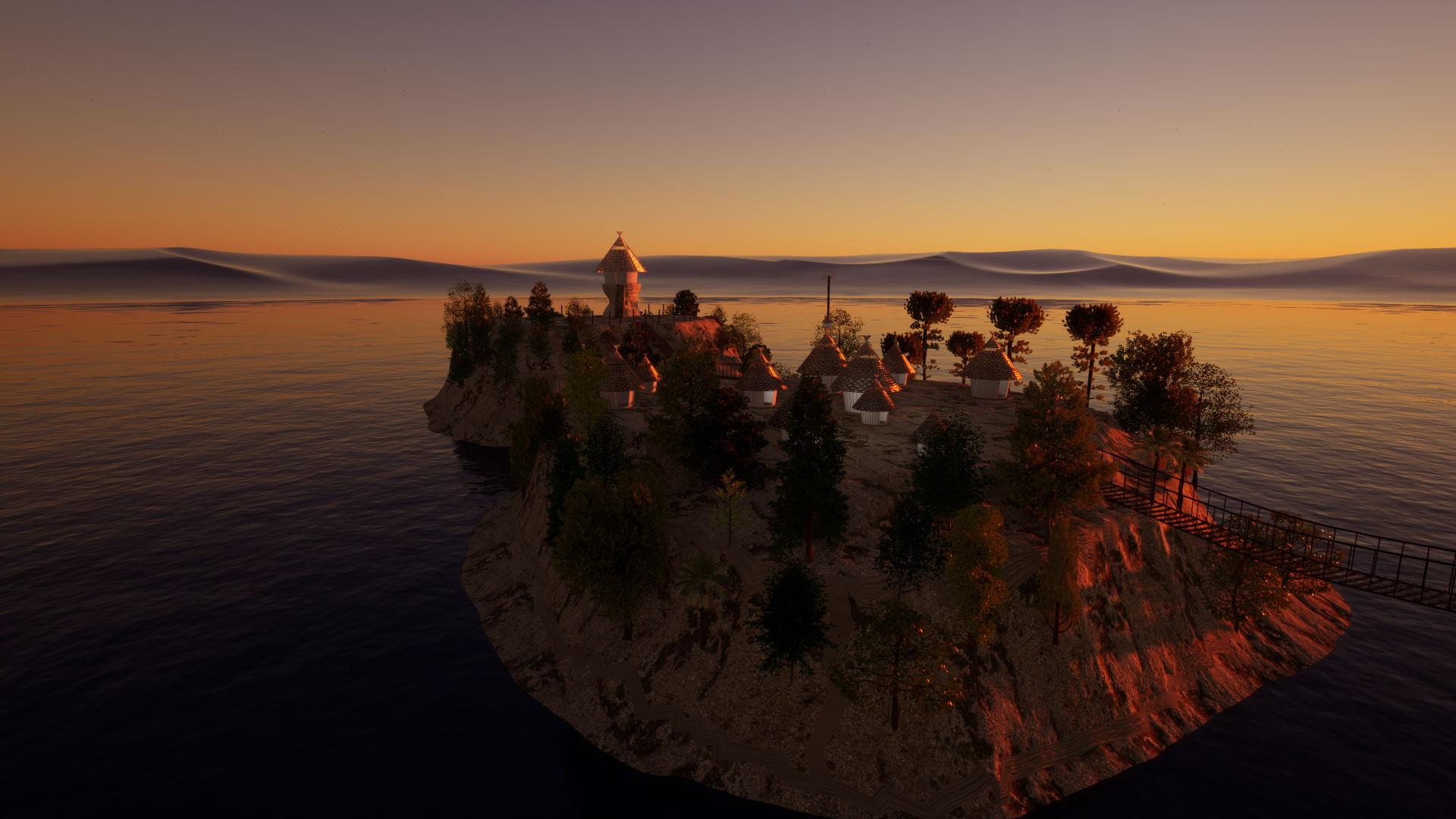
Environment / atmosphere01
World direction
Building a place around silhouette, lighting, landmarks, and the emotional rhythm of exploration.
A multidisciplinary practice connecting gameplay systems, environmental storytelling, interface clarity, and cinematic art direction into one coherent player experience.
04
Design studies
04
Process stages
3D
World focus
UX
System focus
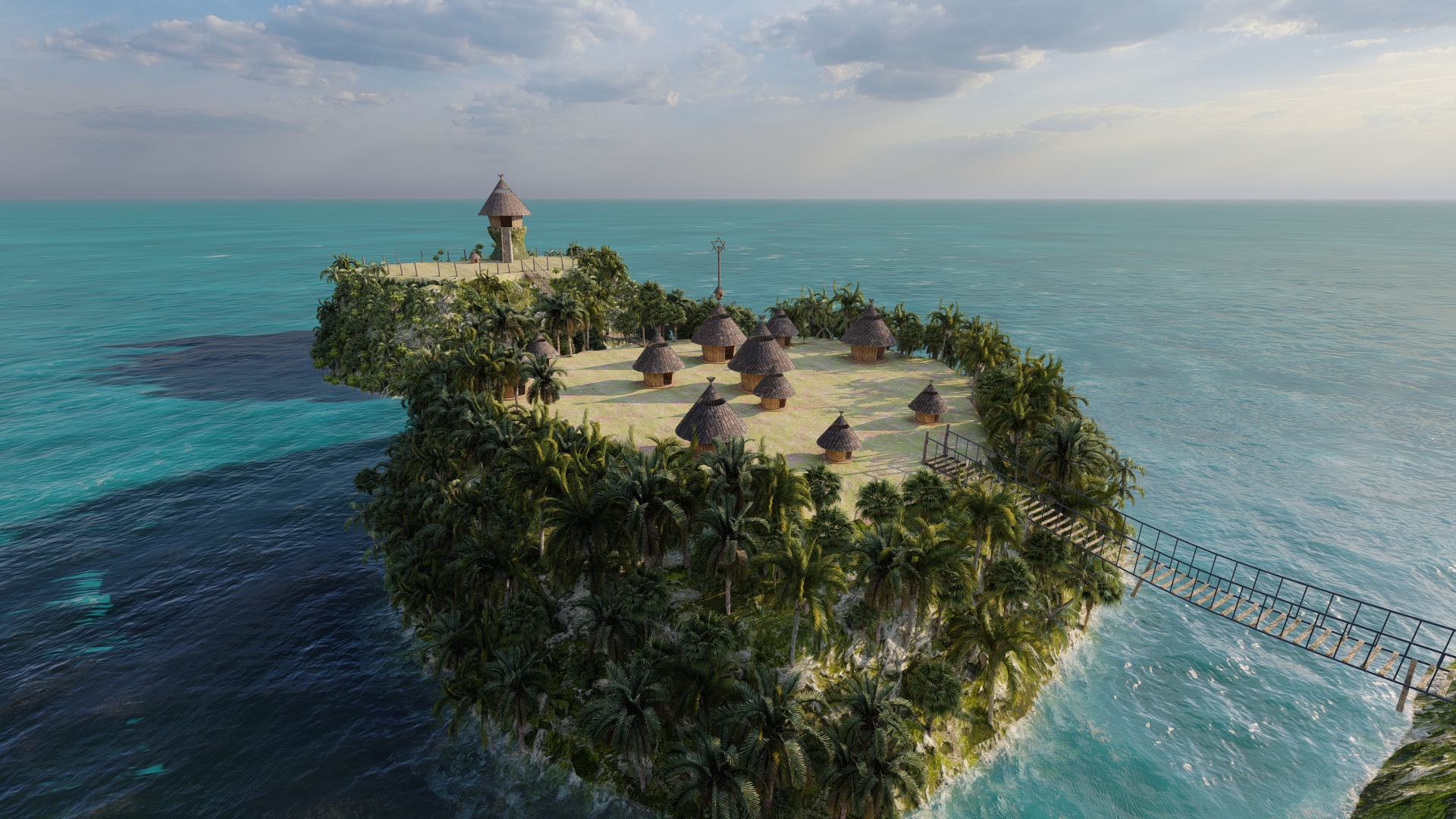
Selected frame
Ishigami Village / Environment study
Selected explorations
These studies show how environment, character, interface, and framing work together to shape a player's understanding of a world.
Archive / 01—04
Building a place around silhouette, lighting, landmarks, and the emotional rhythm of exploration.
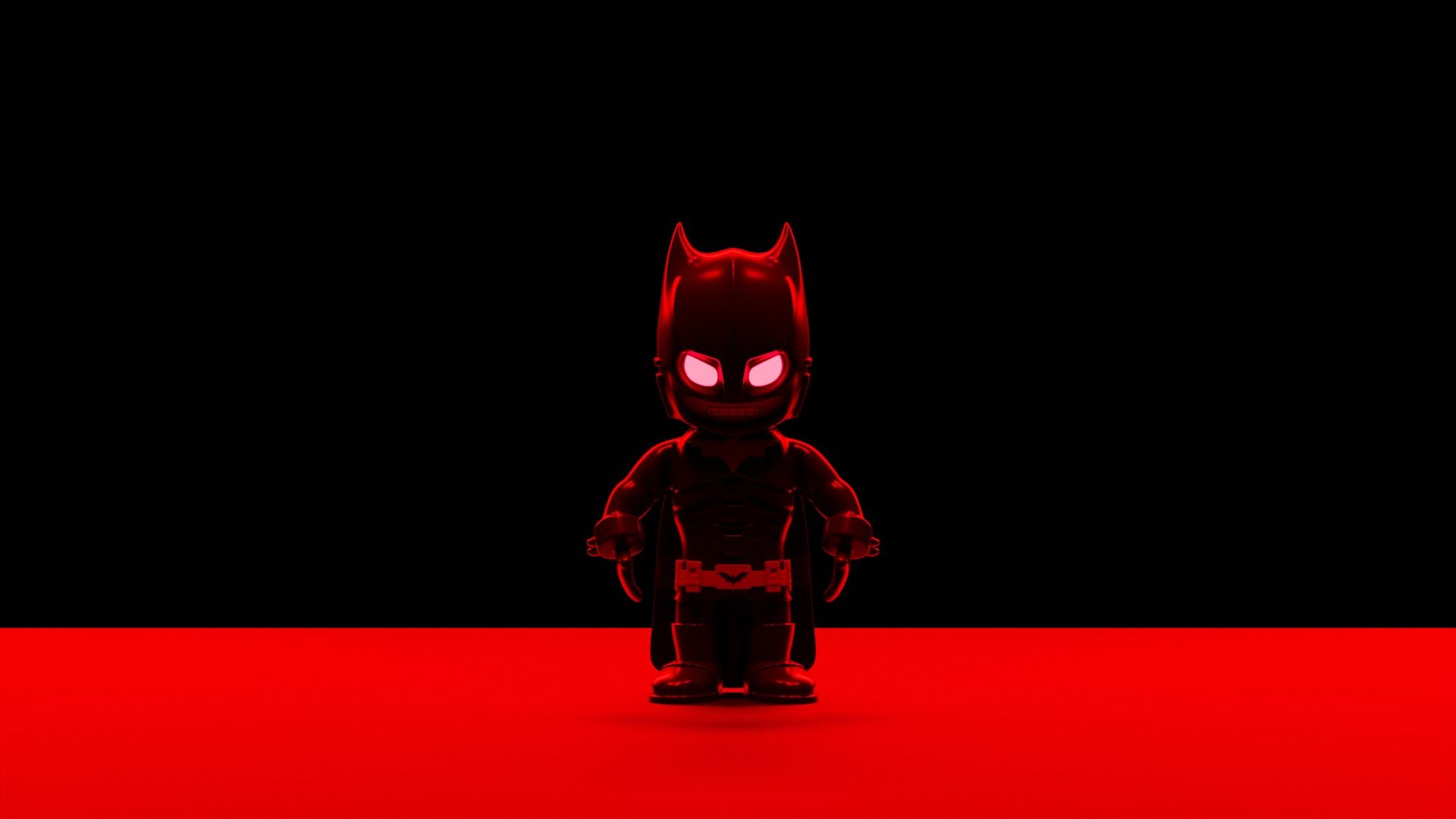
Using shape, contrast, and controlled lighting to make characters readable at a glance.
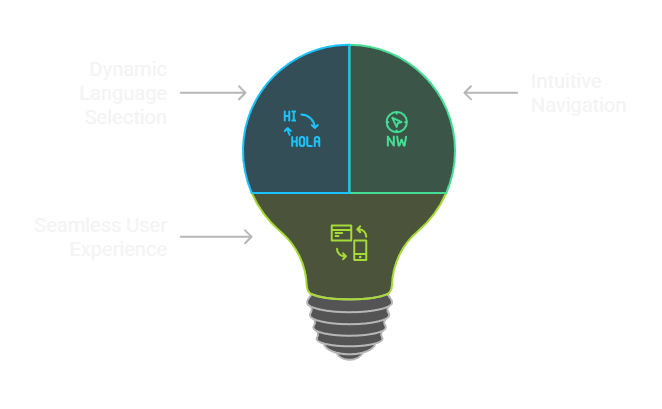
Turning complex actions into clear states, useful feedback, and interfaces that stay out of the player's way.
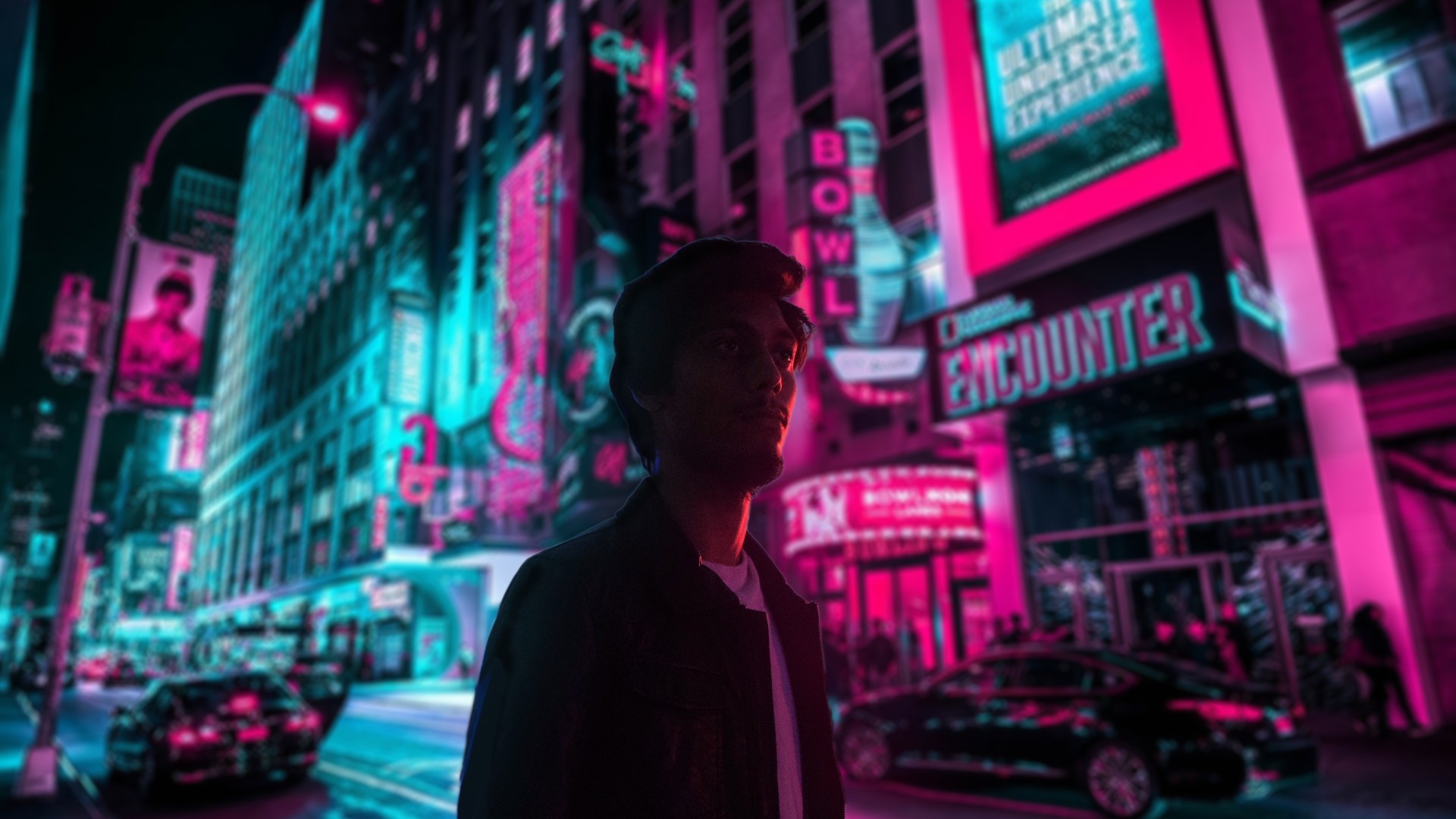
Directing attention through camera position, color contrast, scale, and atmosphere.
From instinct to interaction
The visuals matter, but the experience starts with intention, a clear loop, and feedback that makes every decision understandable.
Stage 01
Start with the player fantasy, emotional target, constraints, and the one thing the experience must do well.
Stage 02
Turn the idea into a small repeatable interaction, then test clarity before adding visual complexity.
Stage 03
Compose environments, landmarks, lighting, and UI around the rules already proven in the prototype.
Stage 04
Refine motion, timing, sound, camera, and feedback so every action feels deliberate and coherent.
Design toolkit
A practical mix of systems thinking, visual composition, interaction design, and technical empathy.
Environment composition, landmarks, mood, lighting, and visual navigation.
Loops, progression, rules, state, and mechanics that create meaningful decisions.
Readable feedback, interface states, timing, and moment-to-moment responsiveness.
Cinematic framing, color language, pacing, and presentation for playable worlds.
Start a project
Let’s turn the idea into a focused visual direction, a clear system, and an experience people want to keep exploring.